
Last updated October 16, 2026
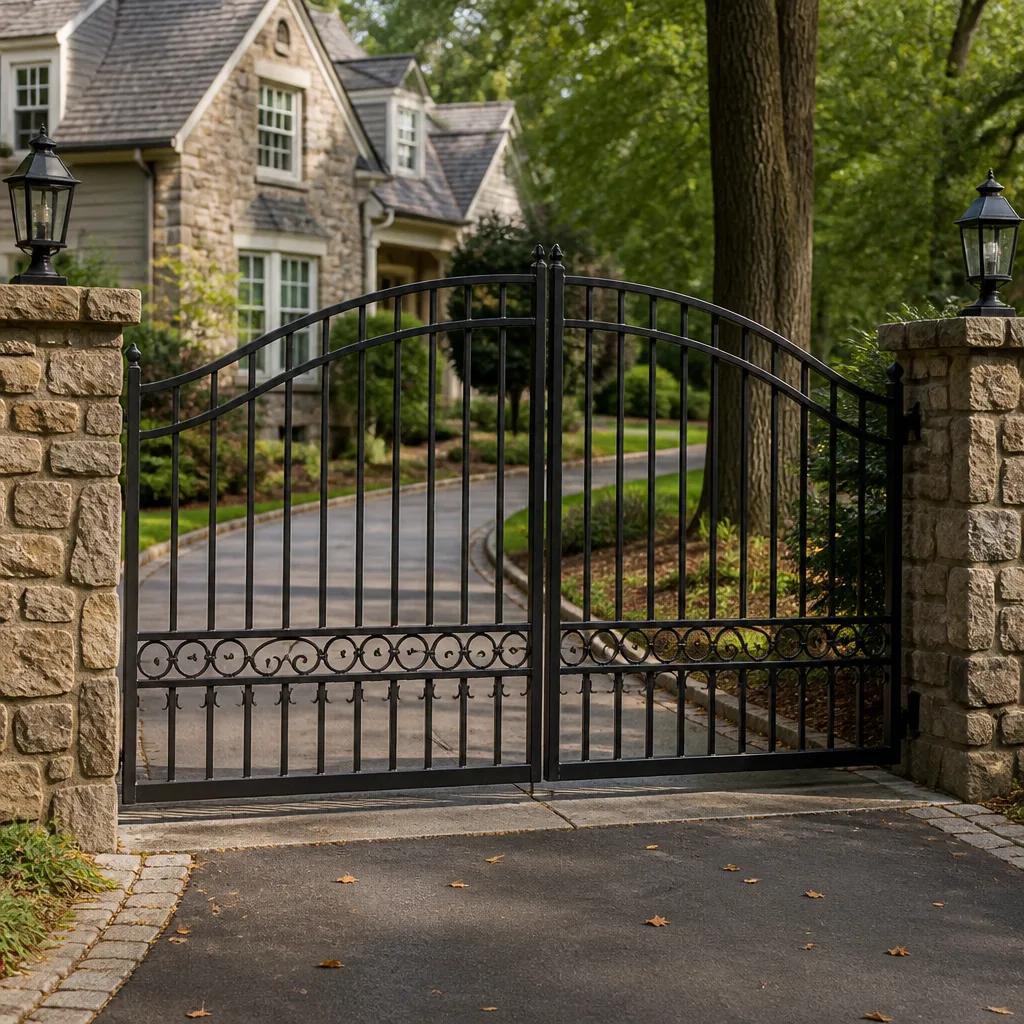 Wrought iron
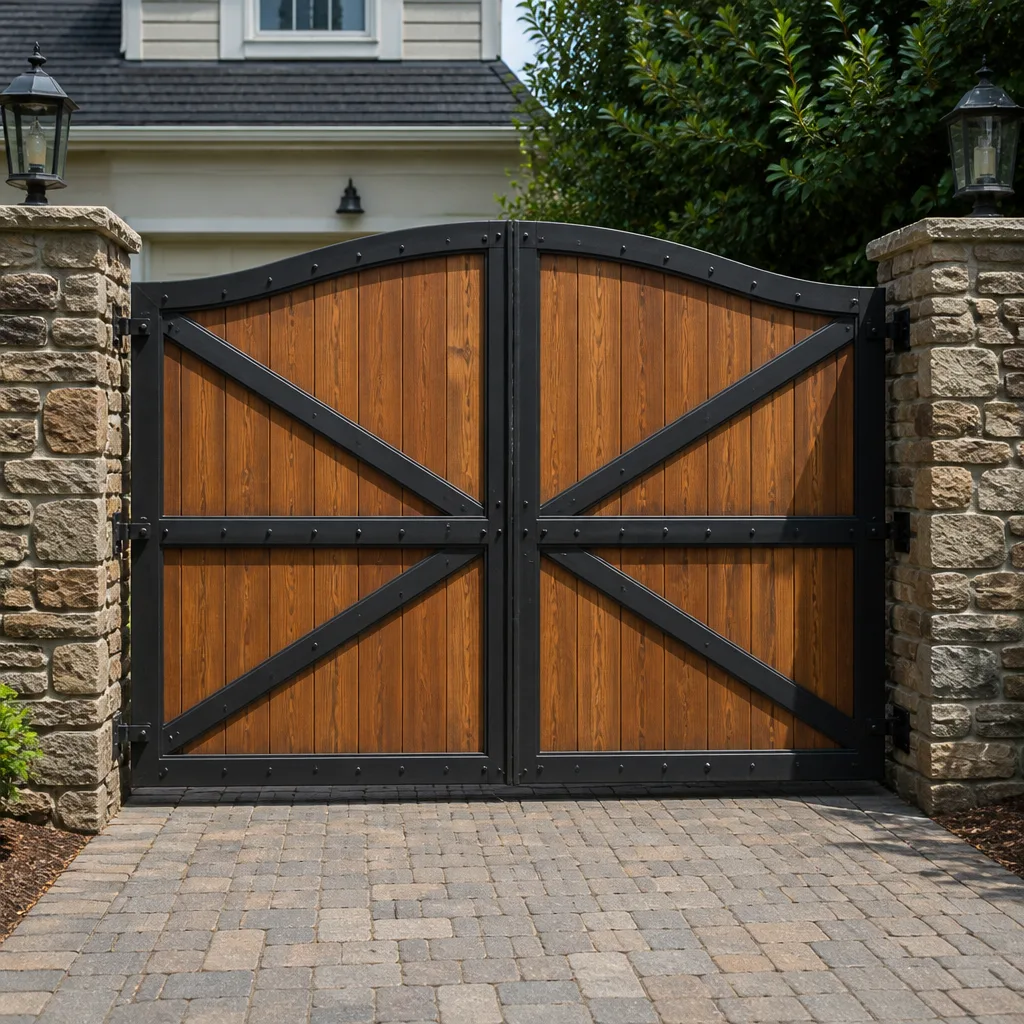 Wood & steel frame
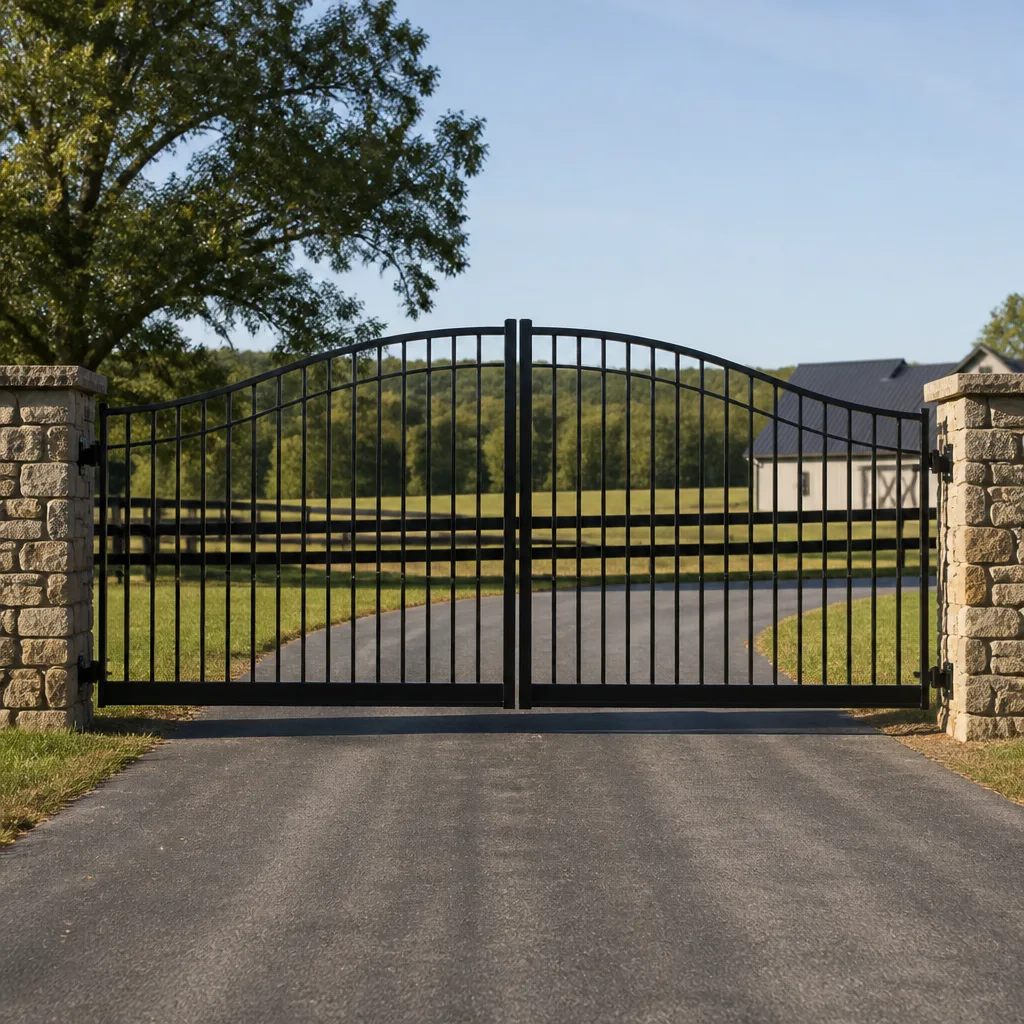 Farm & ranch
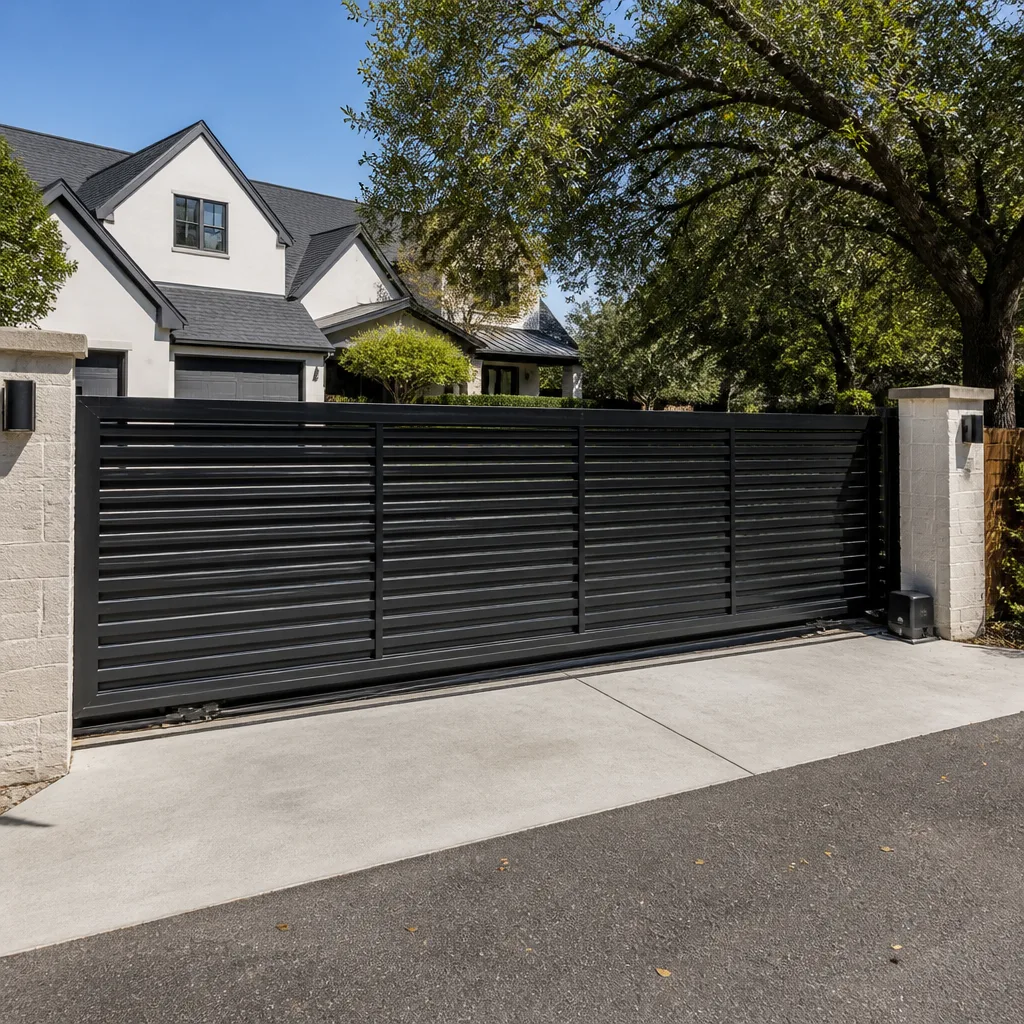 Sliding driveway gates
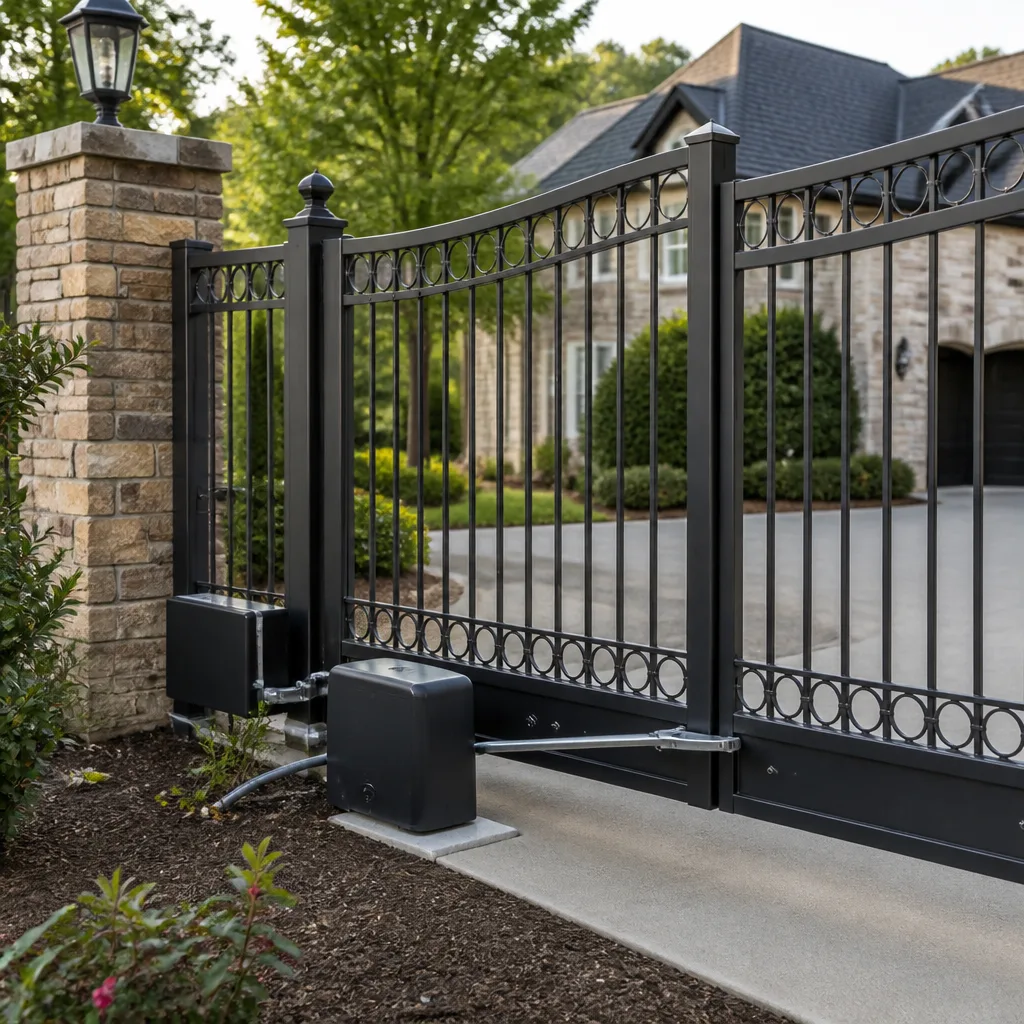 LiftMaster operators
Free on-site gate assessment - hinges, posts, and your LiftMaster or Nice gate operator checked before anything is quoted
The assessment is free and the quote is the invoice.
Get your free estimateGate Repair Maintenance Checklist for Jacksonville Homeowners
The grease that protects a gate hinge in Phoenix turns into a grit-collecting paste in Jacksonville’s humidity within 90 days. Using the wrong lubricant on the right schedule is still the wrong maintenance, and it accelerates wear instead of slowing it. This guide is built for Jacksonville specifically: salt air from the Atlantic, standing water from subtropical storms, and UV degradation that eats powder coating and plastic housings. You’ll learn what to inspect, what to lubricate, how often to do both, and which signs mean the gate needs a technician instead of a tune-up. For more guides & resources, explore our blog.
Styles & brands we work with
Quick Answer
A Jacksonville gate needs hinge and post inspection every 60 days, dry PTFE lubricant on hinges and rollers, electrical connection checks after every named storm, and a documented task log for warranty protection. Salt air, humidity, and standing water make Jacksonville gates wear faster than the national average, so intervals that work in drier climates fall short here. A written log with dates and condition notes turns disputed warranty claims into settled ones.
Table of Contents
- Why Jacksonville’s Climate Changes Gate Maintenance
- The Right Lubricants for Jacksonville Humidity
- The 60-Day Gate Inspection Checklist
- Inspecting Gate Posts for Salt Intrusion and Spalling
- Electrical Checks After Jacksonville Storm Season
- How to Keep a Task Log That Protects Your Warranty
- Common Mistakes to Avoid
- When to Call a Professional
- Frequently Asked Questions
- The Bottom Line
Why Jacksonville’s Climate Changes Gate Maintenance
National gate maintenance guides assume a dry, temperate climate. Jacksonville is neither. The average relative humidity runs above 70 percent most months, and the Atlantic salt air reaches properties from Atlantic Beach down through Mandarin and across the Intracoastal. Salt residue settles on metal surfaces and draws moisture. Moisture plus salt equals accelerated corrosion. That corrosion works its way into hinges, rollers, operator arms, and any exposed bolt or bracket.
Standing water is the second Jacksonville force. After a summer afternoon thunderstorm, low spots in a gate track or around a post base hold water for days. That water seeps into concrete pores at the post base. When water carries dissolved salt from the air or from storm surge into that concrete, the salt attacks the steel reinforcement inside the post footing. This is called salt intrusion, and it produces the flaking, chipping concrete condition known as spalling. Homeowners near the St. Johns River or the beaches see this earlier than inland neighborhoods like Murray Hill or Riverside.
UV degradation is the third force. Jacksonville gets over 220 sunny days a year. UV breaks down powder coating on steel gates, fades and cracks plastic operator covers, and dries out rubber seals and gaskets. A gate that looks structurally fine may be losing its protective coating faster than the owner realizes. Once bare steel is exposed, the humidity and salt finish the job.
These three forces mean Jacksonville gates need attention on a 60-day hinge inspection cycle, not the 90-day interval printed in generic manufacturer manuals. The interval is shorter for a reason: corrosion starts faster here, and catching it at 60 days keeps it from becoming a repair bill.
The Right Lubricants for Jacksonville Humidity
The most common maintenance error we see in Jacksonville is using lithium grease on gate hinges. Lithium grease works in dry climates. In Jacksonville’s humidity, it picks up sand, pollen, and salt particles within weeks and turns into an abrasive paste. That paste grinds hinge pins and roller bearings every time the gate cycles. The gate gets stiffer, the operator works harder, and the motor draws more current. Eventually, a limit switch trips or the motor thermal-overloads.
The correct choice for most gate components in Jacksonville is a dry PTFE lubricant. PTFE leaves a thin, dry film that repels moisture and does not collect grit. It is the right product for hinge pins, roller bearings, latch mechanisms, and the pivot points on swing arms. Apply it every 60 days, or every 30 days on beachside properties within a mile of the ocean.
Lithium grease still has one place on a Jacksonville gate: the rack and pinion or drive chain on slide gate operators if the manufacturer specifies it. Even then, use a light film, not a heavy coat. Heavy grease on a drive chain attracts the same grit problem. For homeowner-grade operators from brands like Ghost Controls and Mighty Mule, follow the manual’s lubricant spec and stay dry wherever the manual allows.
What not to use: WD-40. It is a water displacer and solvent, not a lubricant. It strips whatever lubricant is present and then evaporates. Penetrating oil is for freeing stuck parts, not ongoing lubrication. Graphite powder works in locks but not on gate hinges exposed to rain. Stick with dry PTFE for hinges and rollers, and a light manufacturer-specified grease only where the drive system requires it.
The 60-Day Gate Inspection Checklist
Every 60 days, walk the gate with this list. It takes about 20 minutes. Do it before the gate fails, not after.
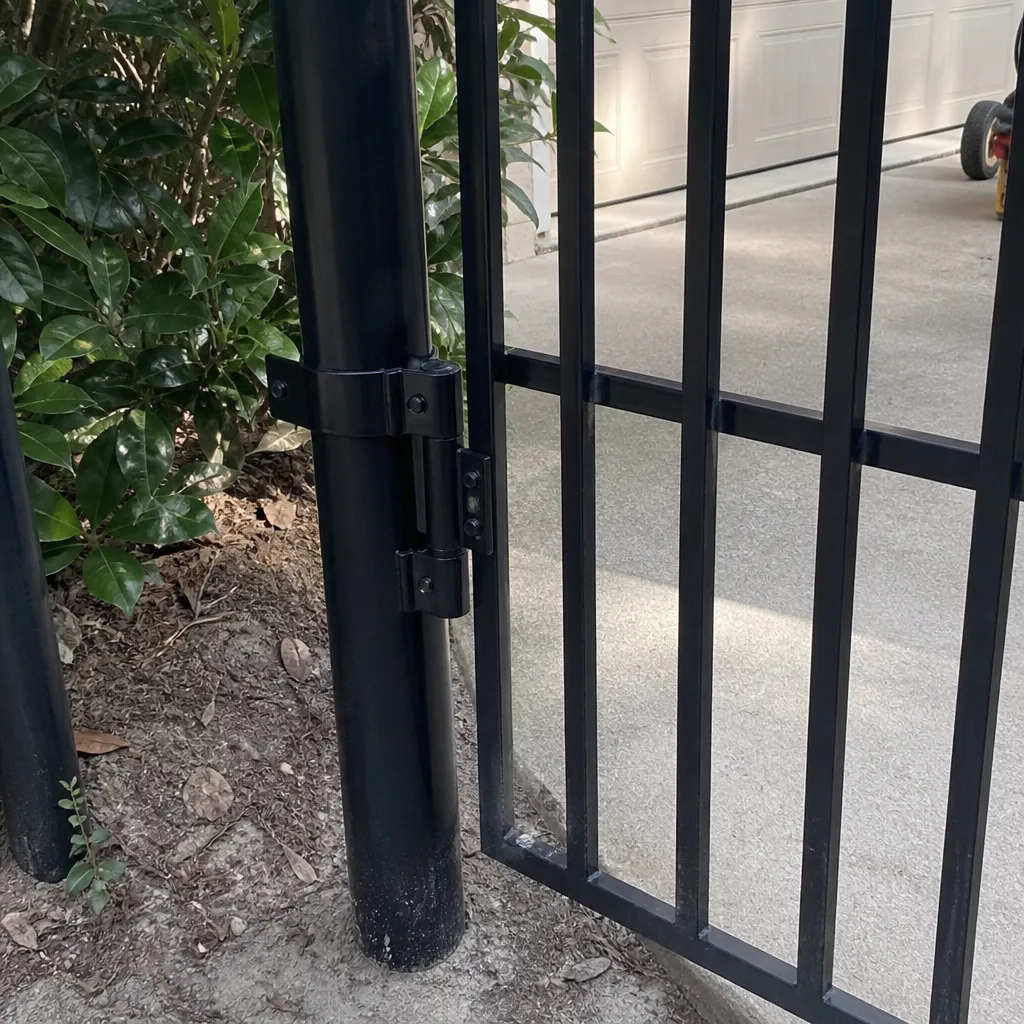
- Hinge pins and brackets. Look for rust streaks, loose bolts, or a gate leaf that sags when open. A sagging leaf means a worn hinge pin or a failed bracket bolt. Tighten what is loose, replace what is worn.
- Rollers and track. On slide gates, clear sand, leaves, and grit from the track. Check rollers for flat spots. A flat-spotted roller makes the gate shudder and loads the operator motor unevenly.
- Operator arm and attachment hardware. On swing gates, check the articulating arm bolts. On slide gates, check the chain tension and the rack alignment. Loose hardware here loads the motor and shortens its life.
- Latch and lock mechanism. Apply dry PTFE and cycle the latch several times. A latch that sticks forces the operator to push against resistance, which trips limit switches.
- Safety edges and photocells. Wipe the photocell lenses with a dry cloth. Test the safety edge by blocking the gate path lightly while it closes. If it does not reverse, the gate is unsafe and needs immediate attention.
- Post bases and concrete. Look for fresh cracks, flaking concrete, or rust weeping from the post base. This is the earliest salt intrusion sign. Catch it here and the repair is a sealant job, not a post replacement.
- Control box interior. Open the operator cover and look for ants, mud dauber nests, geckos, or corrosion on terminals. Jacksonville’s insect load is high, and a control board covered in ant debris causes intermittent faults that are hard to diagnose.
- Battery backup (if equipped). Check the battery terminals for corrosion and confirm the backup holds a charge. Storm season is the wrong time to discover a dead backup battery.
Write down the date and the condition of each item. If you find anything that is more than a simple tightening or wipe-down, call a technician. A gate that cycles dozens of times a day racks up wear faster than most homeowners realize. Regular attention at 60-day intervals keeps small problems from becoming mid-cycle failures.
Inspecting Gate Posts for Salt Intrusion and Spalling
Gate post failure is the most expensive repair on a Jacksonville gate system, and it starts invisibly. Salt intrusion begins when saltwater or salt-laden moisture penetrates the concrete surrounding a steel post base. Once the salt reaches the steel, the steel corrodes and expands. Expanding steel cracks the concrete from the inside. The visible result is spalling: the concrete surface flakes, chips, or crumbles away in sheets.
Coastal Jacksonville properties, especially in Atlantic Beach, Neptune Beach, and along the Intracoastal, see this failure mode years earlier than inland properties. A gate post that fails at the base drops the gate leaf, binds the hinges, and can pull the operator arm out of alignment. The fix is not a patch. It is excavation, new footings, and reinstallation. That is a multi-thousand-dollar job. Early inspection costs 20 minutes.
Here is what to look for at the post base every 60 days:
- Rust-colored staining or weeping from cracks in the concrete. This means the steel inside is already corroding.
- Hairline cracks that follow the line of the post. Post-aligned cracks are structural, not cosmetic.
- Flaking or shelling concrete at the surface. Run a gloved hand over it; if it crumbles, that is spalling.
- Water pooling at the base after rain. Standing water accelerates salt intrusion. Grade the soil away from the post or install drainage if this happens regularly.
- Gap between post and concrete. If the post is visibly loose when pushed hard, the footing has already failed.
If you find early spalling without post movement, a concrete sealant rated for marine environments can slow further intrusion. If the post moves or the spalling is deep, the footing has to be replaced. Do not wait on this. A failed post makes the gate unsafe and can injure someone if it falls. For a full assessment, Gate Repair in Jacksonville covers post inspection and replacement across the metro.
Electrical Checks After Jacksonville Storm Season
Jacksonville’s summer storm season runs June through November, and it is hard on gate operator electronics. Hurricanes and tropical storms bring wind-driven rain, power surges, and standing water. Even a routine afternoon thunderstorm can fill a low conduit with water and leave the gate dead the next morning. The time to check electrical connections is in the weeks after storm season, before the holiday season when everyone’s gate gets a workout.
The first check is the low-voltage wiring path. Gate operators run sensors, keypads, and photocells on low-voltage direct current, often through buried conduit. Standing water finds its way into conduit joints and junction boxes. Once water sits in a junction box, corrosion starts on the wire nuts and terminal strips inside. The result is an intermittent fault: the gate works, then stops working, then works again. Intermittent faults are the hardest to diagnose, so prevention matters.
After storm season, do this:
- Open the operator cover. Look for water stains, corrosion on terminals, or debris. Water stains mean water got in, and the sealing gasket needs replacement.
- Check all junction boxes along the gate run. Look for water, mud, insect nests, or green corrosion on wire connections. Green corrosion is the calling card of water intrusion.
- Inspect the photocell alignment. Wind and debris can knock photocells out of alignment. An out-of-alignment photocell holds the gate open or prevents it from closing.
- Test the battery backup. Open the battery compartment and look for terminal corrosion. Then disconnect AC power and confirm the gate still cycles on backup. If it does not, the backup needs replacement.
- Verify the ground rod connection. Lightning strikes nearby travel through ground paths. A corroded or loose ground connection means the next surge goes through the control board instead.
Surge protection is a practical upgrade for Jacksonville gate operators. A whole-operator surge protector installed on the AC supply side is inexpensive compared to a fried control board. If your operator brand is Viking, DoorKing, or Elite, the control boards are replaceable, but the labor to diagnose and swap one is still a service call. Surge protection is the cheaper choice. If you are not comfortable working inside a live operator, this section is a call-a-technician item, not a DIY job. Operators carry line voltage, and an energized control box is dangerous. Our technicians cover these checks as part of a standard service call through Gate Motor Repair in Jacksonville.
How to Keep a Task Log That Protects Your Warranty
Most gate operator warranties require proof of regular maintenance when a claim is filed. Most homeowners cannot produce it. The manufacturer asks for maintenance records. The homeowner says they did the work. The manufacturer denies the claim. This happens constantly in Jacksonville, where the climate pushes operators to fail more often than the national average. A written task log changes the conversation.
The log does not need to be complicated. A spiral notebook, a spreadsheet, or a note on your phone all work. What matters is the format and consistency.
For each inspection, record these five fields:
- Date of inspection. Consistent dates build a pattern that reads as genuine maintenance, not a retroactive cover-up.
- Condition of each checklist item. One line per item: “Hinge pins: dry, no play, PTFE applied.” “Photocells: aligned, lenses clean.” “Post base: no new cracks.”
- Any action taken. “Tightened operator arm bolt.” “Cleared sand from track.” “Replaced battery backup.”
- Any condition left unaddressed. “Light surface rust on chain; monitor.” This shows you are tracking issues, not ignoring them.
- Technician name and company, if serviced. A professional service record is stronger than a self-inspection. Keep invoices with the log.
Photograph anything questionable. A dated photo of a post base crack from March is gold in a November warranty dispute. Store the photos with the log. If a gate component fails and the manufacturer asks for records, you hand over a dated, detailed log instead of a vague memory. That is the difference between a covered claim and a denied one.
For repairs, our written guarantee includes a full-year term, and the Carver Gate Repair Jacksonville home page explains exactly what the guarantee covers. Keep your task log alongside that guarantee paperwork.
Common Mistakes to Avoid
- Using the wrong lubricant. Lithium grease on Jacksonville hinges becomes abrasive paste within 90 days. Use dry PTFE on hinges, rollers, and latch mechanisms.
- Skipping post inspections. Salt intrusion and spalling are invisible until they are expensive. A 60-day visual check at the post base catches failure before the post moves.
- Ignoring the safety edge test. A safety edge that does not reverse the gate is a hazard. Test it every 60 days, and repair it immediately if it fails.
- Waiting until the gate fails to inspect the operator. Most operator failures start as small, visible problems: corrosion, loose connections, insect debris. The 60-day check catches them before the motor burns out.
- Forgetting the battery backup. Jacksonville loses power during storms, and a dead backup battery means the gate stays shut or open when you need it to work. Check the backup every 60 days, not every two years.
- Not keeping records. An undocumented maintenance history is no history at all. Manufacturers deny claims without records. Write it down.
- Pressure washing the gate too aggressively. High-pressure water forces its way past seals and into operator housings and junction boxes. Wash the gate at low pressure, or cover electrical components first.
When to Call a Professional
Some gate problems are maintenance items. Some are repair items. Knowing the difference saves money and prevents injury. Call a technician when a gate post moves or spalling is deep enough to expose reinforcement steel. Call when the operator motor hums but the gate does not move, when the gate reverses for no reason, or when the safety edge fails its test. Call when a control board shows burn marks, when a limit switch trips repeatedly, or when you find water inside an operator housing. Gate operators carry line voltage, and a damaged operator is dangerous to open. Our Gate Repair services include free estimates in Jacksonville, and our technicians arrive in uniform, background-checked, with a written price before any work starts. Call (904) 490-8559 to talk to a live person, not an answering machine.
For a full replacement rather than a repair, Gate Installation in Jacksonville covers new gate and operator installations with the same written-price process.
Frequently Asked Questions
Inspect hinges, posts, and operator hardware every 60 days in Jacksonville. The humid, salt-laden climate accelerates corrosion compared to drier regions, so the 90-day interval recommended in many national guides is not enough for coastal and near-coastal properties. Write down the date and condition notes each time, and you have a warranty-ready record.
Use dry PTFE lubricant on hinges, rollers, latch mechanisms, and swing-arm pivot points in Jacksonville’s humidity. PTFE leaves a dry film that does not collect sand, salt, or pollen the way lithium grease does. Reserve lithium grease only for drive chains or rack-and-pinion systems where the operator manufacturer explicitly requires it, and apply it lightly.
Salt intrusion shows up as rust-colored weeping from cracks, hairline cracks running along the post line, flaking concrete at the base, or water pooling around the footing after rain. Coastal neighborhoods near Atlantic Beach and the Intracoastal see this earlier than inland areas. Early intervention with marine-rated sealant can slow the damage; a loose post means the footing has failed and needs replacement.
After a Jacksonville storm, check the operator cover for water stains, inspect all junction boxes for moisture and corrosion, verify photocell alignment, test the battery backup on its own power, and confirm the ground connection at the rod. Standing water in conduit causes intermittent faults that are difficult to diagnose later, so these checks are worth doing before the next storm season starts.
Yes. Gate operator manufacturers routinely ask for maintenance records when a claim is filed, and homeowners without records lose the claim. A simple log with the date, a one-line condition for each checklist item, any action taken, and any unaddressed issue is enough. Add dated photos of anything questionable, and keep professional service invoices with the log.
We service nine gate motor brands, including Viking, Ghost Controls, DoorKing, and Elite, plus LiftMaster, FAAC, BFT, Linear, and Mighty Mule. The right parts and know-how depend on matching the technician’s training to the system already installed, so the brand matters more than most homeowners expect. Call (904) 490-8559 for a free estimate on any of these systems.
The Bottom Line
Jacksonville gates fail differently than gates in dry climates. Salt air attacks metal and concrete, standing water floods conduits and post footings, and UV breaks down coatings and plastics faster than national maintenance schedules account for. The countermove is a 60-day inspection cycle with dry PTFE on the right components, a post-base check for spalling, electrical checks after storm season, and a written task log that protects your warranty. Most gate failures announce themselves weeks before they happen. A 20-minute walk with a checklist and a notebook catches the warning signs. A homeowner who does this skips the expensive emergency repair. A homeowner who does not, calls us in the middle of a holiday weekend with a gate stuck halfway open. We answer that call either way. The choice is whether it is a simple fix or a full replacement.
Written by Lonnie Burke, Owner at Carver Gate Repair Jacksonville, serving Jacksonville since 2008.
See the difference
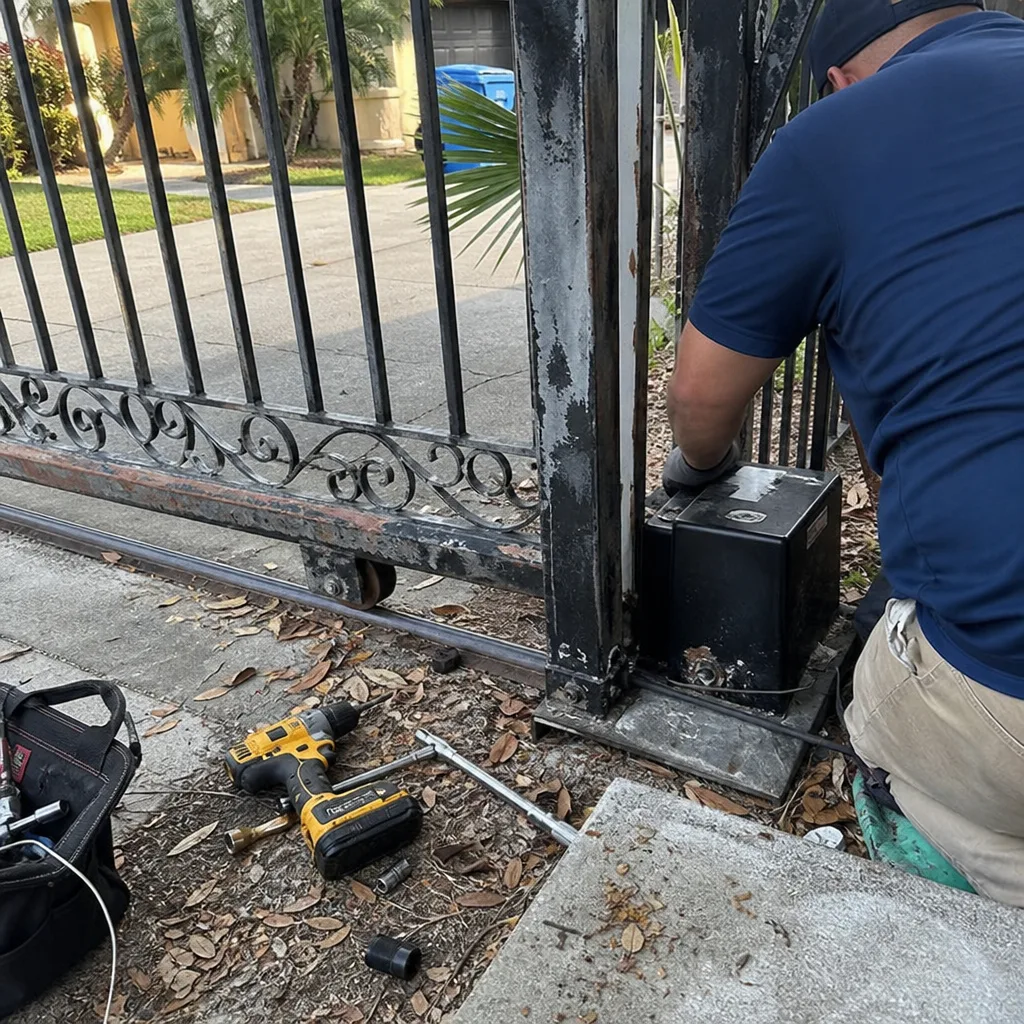 Before
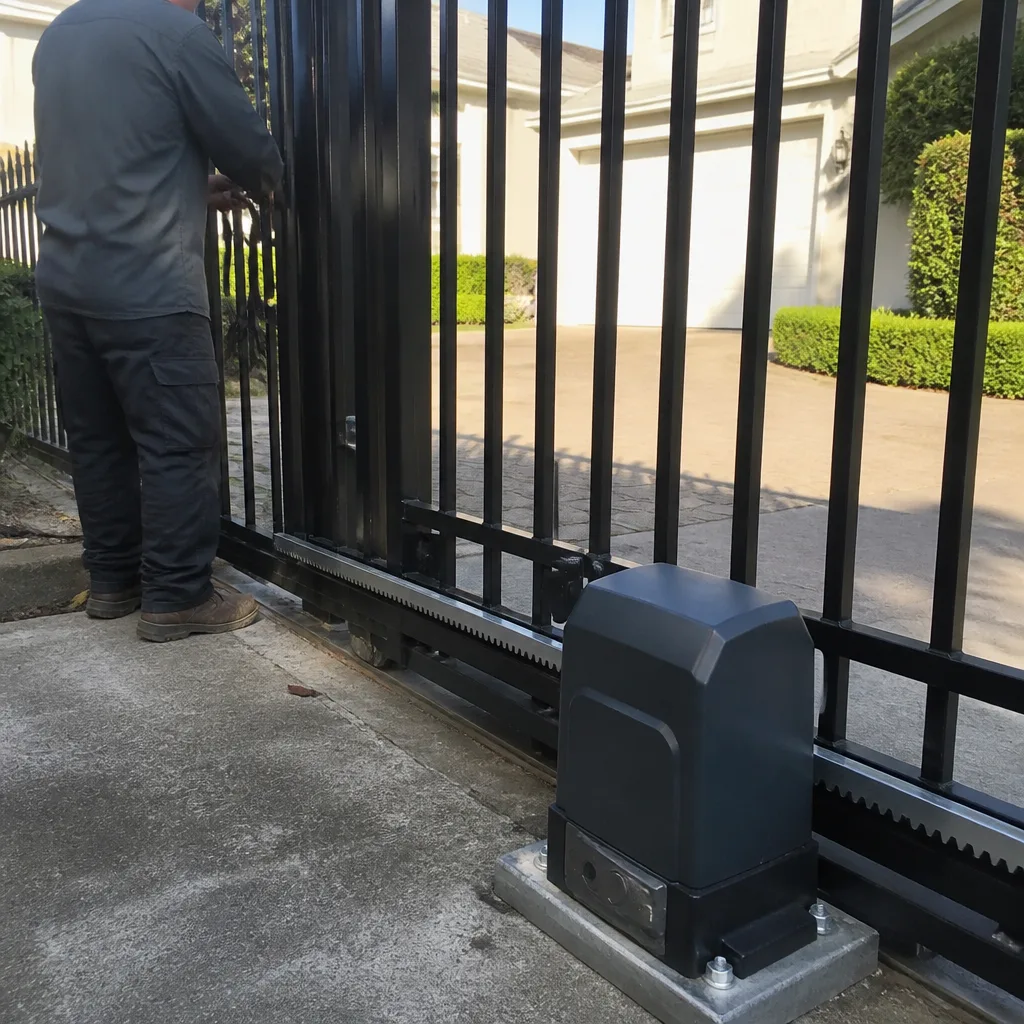 After
After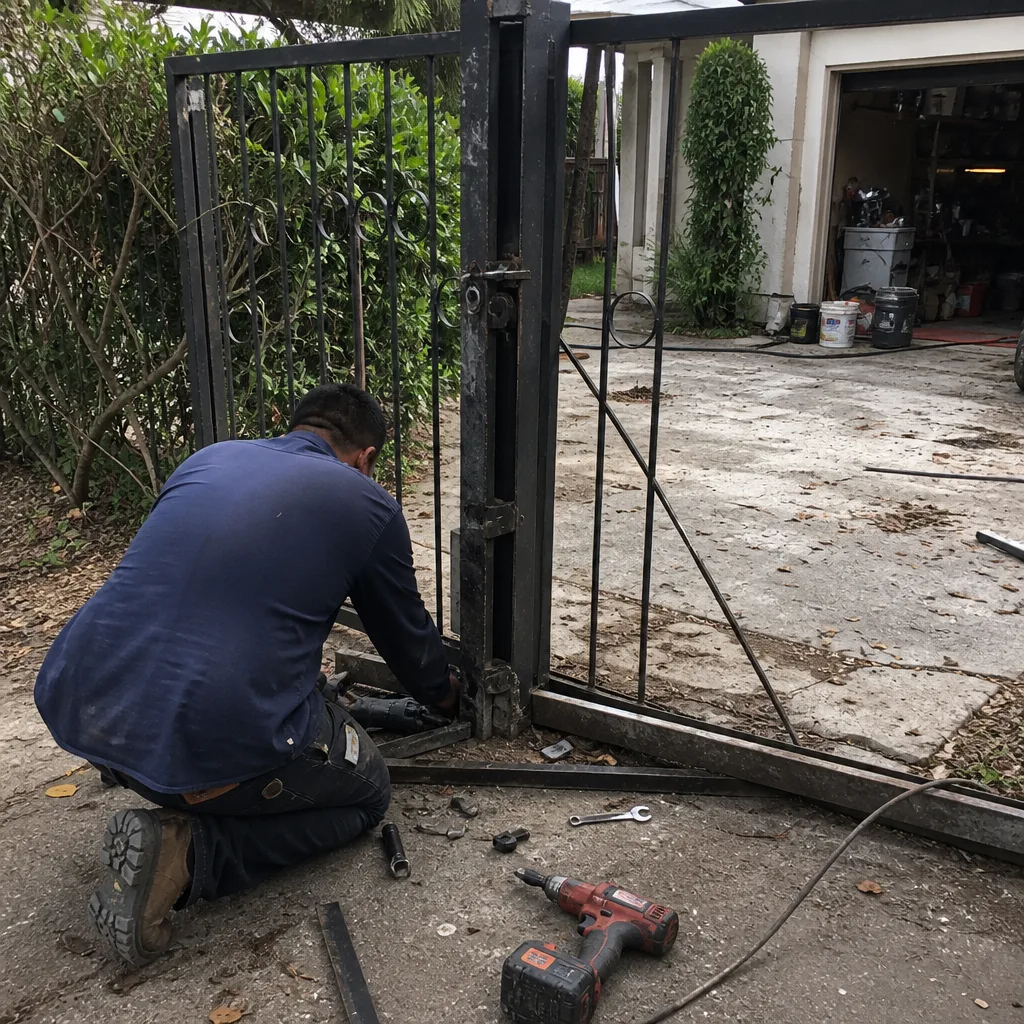 Before
 After
After Before
 After
After