
Last updated October 16, 2026
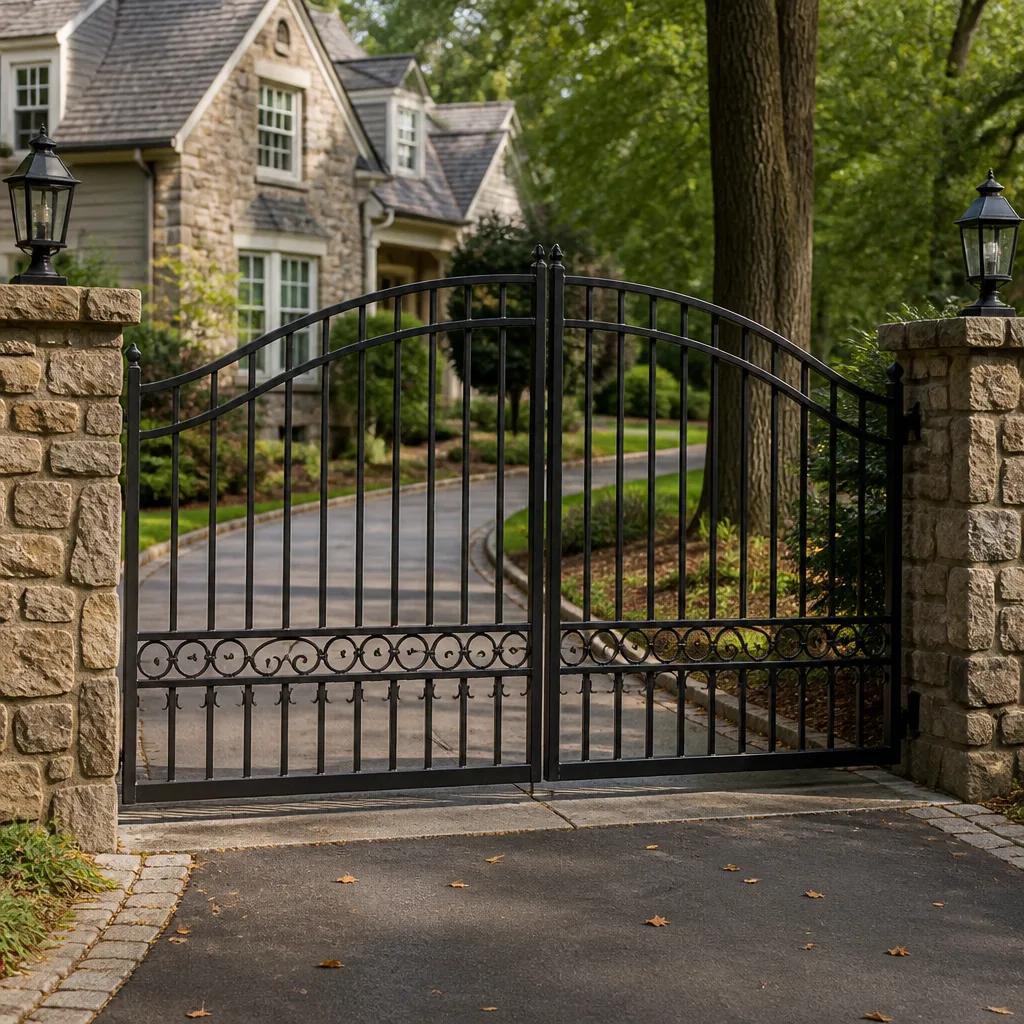 Wrought iron
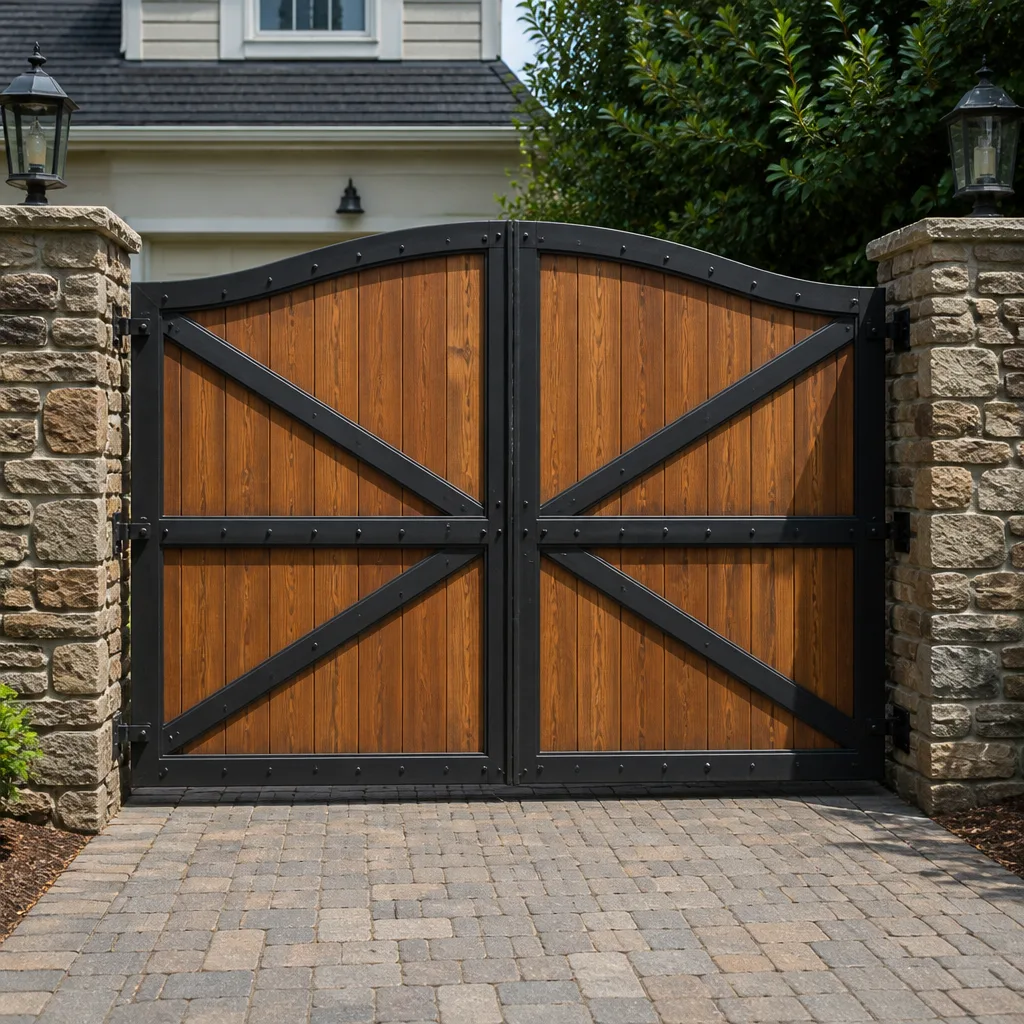 Wood & steel frame
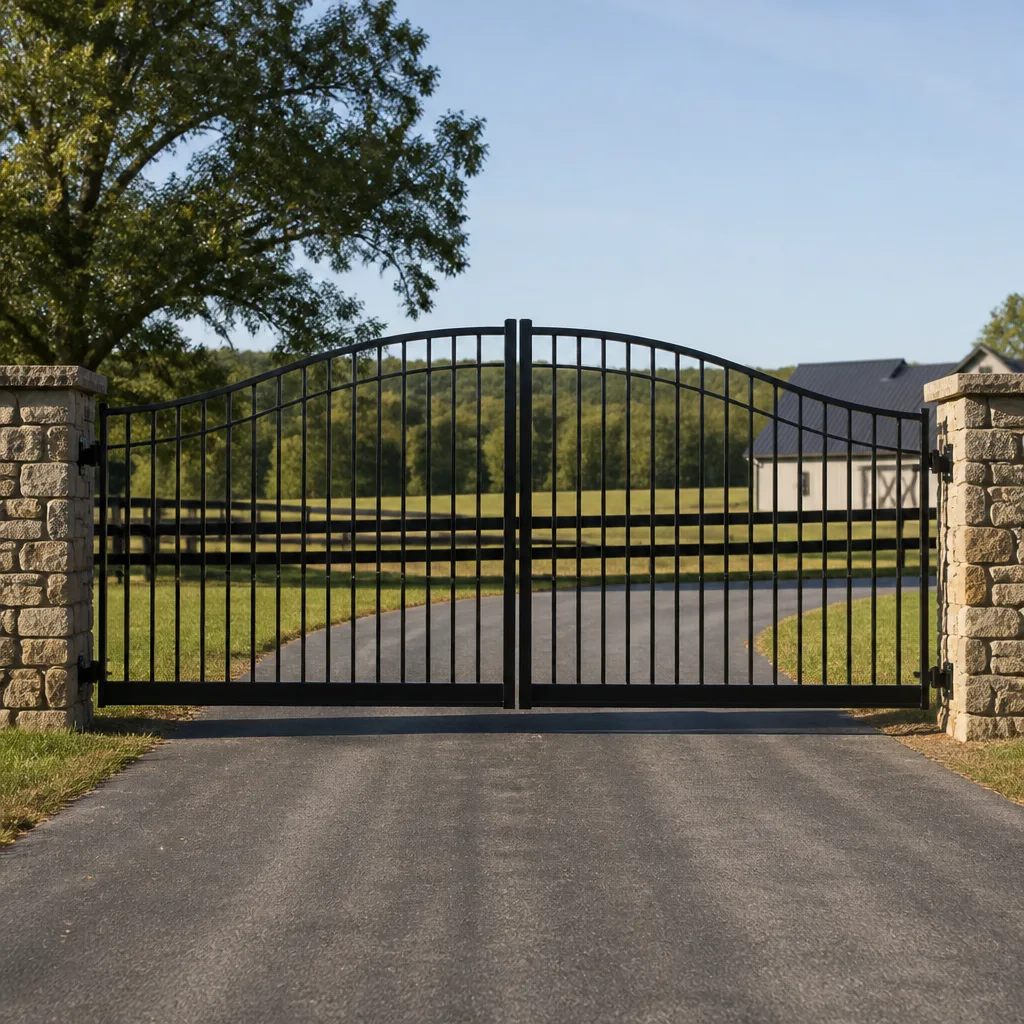 Farm & ranch
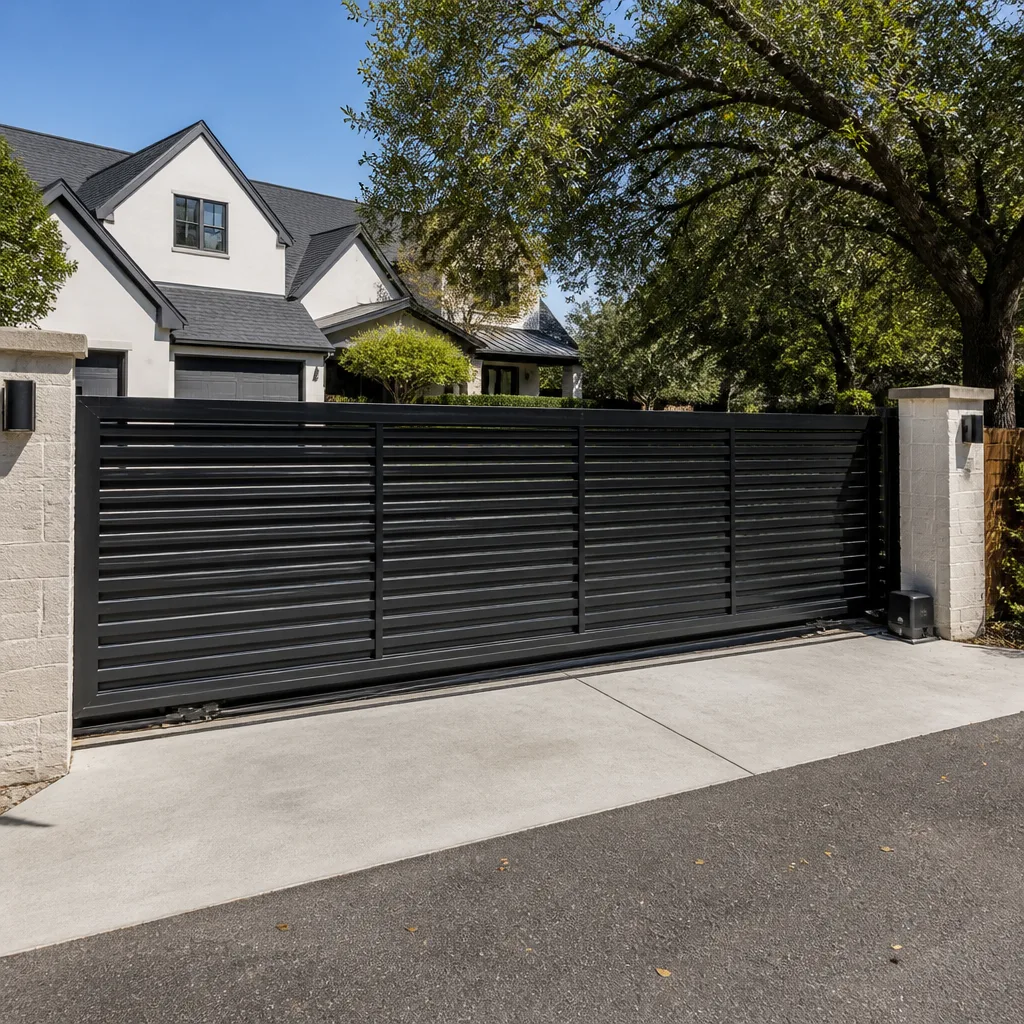 Sliding driveway gates
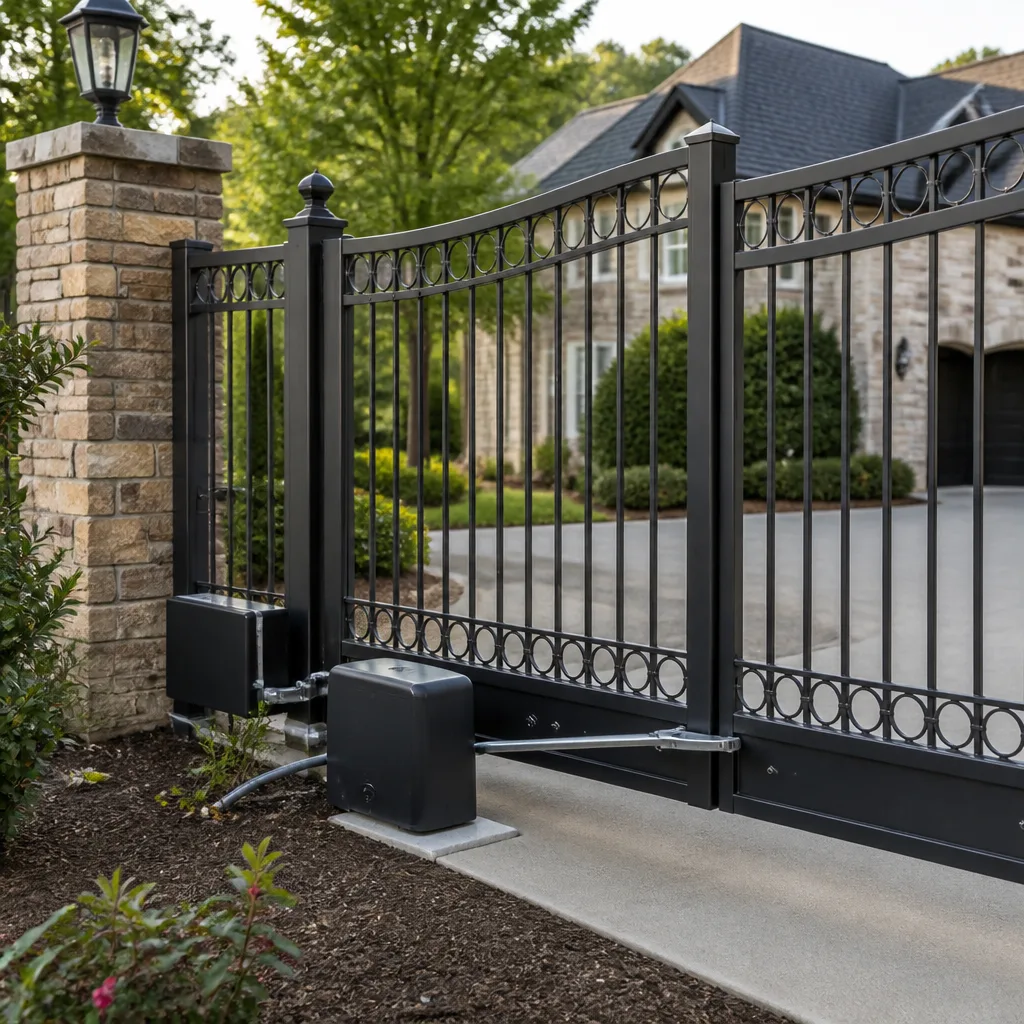 LiftMaster operators
Free on-site gate assessment - hinges, posts, and your LiftMaster or Nice gate operator checked before anything is quoted
The assessment is free and the quote is the invoice.
Get your free estimateThe Complete Guide to Gate Repair in Jacksonville
A gate that opens slowly in January and refuses to open at all by August isn’t broken. It’s been failing for six months, and Jacksonville’s combination of salt air, summer heat, and afternoon thunderstorms accelerated every stage of the decline. Most homeowners in Jacksonville don’t have a gate problem so much as a climate problem that finally showed up at the hinge, the motor, or the control board. This guide explains what actually happens to gates in this city, why so many repairs miss the mark, and what a repair should cost when it’s done correctly. For Gate Repair Cost Breakdown: The Jacksonville Homeowner’s Reference for 2026, see our detailed pricing guide. You’ll learn to spot the difference between a mechanical failure and a motor failure, how Jacksonville’s humidity attacks each gate material differently, and what belongs in a written repair estimate before you agree to anything.
Styles & brands we work with
Quick Answer
Gate repair in Jacksonville typically costs $150 to $1,200 depending on whether the problem is mechanical (hinges, wheels, alignment), electrical (motor, control board, wiring), or structural (posts, frames, sagging sections). Most gate failures in this city trace back to three root causes: corrosion from salt-heavy coastal air, motor strain from repeated heat cycling through Florida summers, and hardware that was undersized when the gate was first installed. Carver Gate Repair Jacksonville provides Gate Repair services with free estimates and written pricing before any work starts; call (904) 490-8559 for an on-site evaluation.
Table of Contents
- The Three Root Causes of Jacksonville Gate Failures
- Operator Failure vs. Mechanical Failure: Know the Difference
- How Jacksonville’s Climate Affects Each Gate Material
- Which Gate Motors Fail and Why in Jacksonville
- Jacksonville HOAs and Gate Repair Rules
- What a Written Gate Repair Estimate Should Include
- What Gate Repair Costs in Jacksonville
- Common Mistakes to Avoid
- When to Call a Professional
- Frequently Asked Questions
- The Bottom Line
The Three Root Causes of Jacksonville Gate Failures
We’ve looked at hundreds of gate failures across Jacksonville’s neighborhoods, from Ortega to Mandarin to the beaches. The same three culprits appear again and again, in different combinations.
1. Salt air corrosion. Jacksonville’s oceanfront and intracoastal communities bathe gate hardware in salt-laden air year-round. The St. Johns River funnels marine air deep into the city, and neighborhoods within five miles of the river or the Atlantic lose hinges, bolts, and tension springs to rust at two to three times the rate of inland areas. What starts as surface rust on a wheel bracket becomes a seized bearing within 18 months if left untreated. Salt corrosion doesn’t announce itself; it just makes the gate work harder until something snaps.
2. Heat cycling strain on motors. Jacksonville averages over 90 degrees on roughly 80 days per year, and gate motors sit inside metal enclosures that trap heat. A motor rated for 15 duty cycles per day in a mild climate will overheat faster and wear out sooner in a Jacksonville summer. The thermal expansion and contraction of metal gears, belts, and circuit boards creates micro-failures that accumulate over years. When a motor fails in August, it’s rarely a sudden death. It’s the final chapter of a long heat-driven decline.
3. Undersized hardware from day one. Builders and flippers spec gates based on width and height without accounting for wind load, weight of the chosen material, or how the gate will actually be used. A 16-foot iron gate swinging on hardware rated for a lightweight aluminum panel will sag, bind, and eat motors prematurely. In Jacksonville, wind gusts from summer squalls push an oversized exterior gate far beyond the limits of the hardware holding it. The gate looks fine in year one. By year three, the stress shows up in the motor, the hinges, or the gate’s alignment.
Identifying which of these three is driving your problem determines every repair decision after it. Fix the wrong root cause and you’ll be replacing the same motor or hinge again within a season or two. For an accurate diagnosis, call Gate Repair in Jacksonville and get a written assessment before any work begins.
Operator Failure vs. Mechanical Failure: Know the Difference
This is the most expensive misdiagnosis in gate repair. A homeowner sees a gate that won’t open and assumes the motor burned out. The technician replaces a $650 circuit board and three months later the same problem returns. Why? Because the motor wasn’t the problem. The gate’s hinges were binding, the wheels were seized, and the motor was overloading against mechanical resistance it was never designed to overcome. Calling it a motor failure and replacing the motor doesn’t fix the binding hinges.
A mechanical failure lives in the physical parts of the gate: the hinges, the wheels, the track, the posts, the frame, the alignment. Signs include a gate that leans, sags, scrapes the ground, wobbles when moved by hand, or resists movement even with the motor disengaged. These problems are always caused by wear, corrosion, impact damage, or installation error. They get worse over time and create additional strain on the operator.
An operator failure lives in the electrical and electronic system: the motor, the control board, the limit switches, the loop detectors, the photo eyes, the wiring. Signs include a motor that hums but doesn’t move the gate, a gate that only opens partway and reverses, a remote that suddenly stops working, or a control board that clicks but does nothing. Operator failures are often created by mechanical failures that overloaded the motor.
The diagnostic sequence matters. Any experienced Jacksonville gate technician should check mechanical function first by disconnecting the operator and moving the gate by hand. If the gate moves freely, the problem is the operator. If the gate is stiff, heavy, or binding, address the mechanical issue before touching the electronics. We’ve seen Jacksonville homeowners spend money on two and even three new motors before discovering a corroded hinge or a sinking driveway section caused the original overload.
For motor-specific problems, our Gate Motor Repair in Jacksonville page covers diagnostics in more detail.
How Jacksonville’s Climate Affects Each Gate Material
Jacksonville’s climate punishes gate materials differently. Knowing what you have determines what to watch for and how much a repair will cost.
Iron Gates
Wrought iron and steel gates are the most common in Jacksonville’s older neighborhoods like Riverside, Avondale, and San Marco. They’re also the most vulnerable to salt corrosion. The problem isn’t the visible paint; it’s moisture trapped inside welded joints, scrollwork, and hollow pickets. Rust forms from the inside out. By the time you see a rust stain bleeding through the paint, the structural damage is often well underway. Iron gates in Jacksonville need annual inspection of welds and lock seams, especially within five miles of the river. Repair typically involves grinding out rust, reinforcing weakened points, and applying a marine-grade primer before repainting.
Aluminum Gates
Modern suburban Jacksonville neighborhoods increasingly use aluminum gates. Aluminum resists corrosion far better than iron, which is why it’s popular near the beaches. But aluminum is soft. Wind loads from Jacksonville thunderstorms bend horizontal rails and twist panels gradually over time. Aluminum gates also develop electrolysis damage when steel screws or hardware sit directly against the aluminum, especially in humid air. The repairs are usually straightening and hardware replacement rather than welding, making aluminum gates the cheapest to fix in most cases.
Vinyl Gates
Vinyl gates line countless driveways in Mandarin, Bartram Park, and the newer subdivisions off I-295. Vinyl doesn’t rust or corrode, but Jacksonville’s heat warps and sags it. The sun-facing side of a dark vinyl gate can reach 140 degrees in July. Over years, the material softens, sags at the corners, and pulls away from hinges. Vinyl gates are also the most likely to suffer storm damage because they’re lightweight and have large wind surface area. Repair usually means reinforcing the frame inside the post, replacing sagged sections, or resetting hinge hardware.
Wood Gates
Wood gates still exist throughout Jacksonville, especially in Arlington and the older neighborhoods off Atlantic Boulevard. Jacksonville’s humidity and afternoon rains cause wood gates to swell, warp, rot, and host termites. The rot concentrates at the bottom rail and the hinge mounting points. Once the wood compresses around a hinge, the screws lose bite and the gate sags. Repair options include replacing rotted sections, chemically treating for mold and rot, or converting to a steel reinforcement frame. Wood gates need the most maintenance of any material in Jacksonville’s climate.
Which Gate Motors Fail and Why in Jacksonville
Jacksonville sees a wide mix of gate motor brands depending on when the neighborhood was built and who installed the original equipment. Some brands hold up better than others in our heat and humidity.
LiftMaster operators are the most common in Jacksonville residential communities. They’re reliable machines, but their DC motors and circuit boards can overheat when the gate binds. The most common LiftMaster failure we see is a burned-out control board from an overloaded motor running against a sticky hinge or a misaligned track. If the mechanical side is kept clean, LiftMaster motors generally last a decade or more.
DoorKing operators are installed in a lot of Jacksonville’s gated HOAs, especially older communities built in the 1990s and early 2000s. DoorKing swing operators use limit switches that corrode faster in salt air. The symptoms are a gate that stops short, opens too far, or reverses for no reason. Replacing limit switches is straightforward, but the corrosion recurrence rate is high near the beaches.
Linear and Viking operators show up in a mix of residential and light commercial installations. Viking operators are built like tanks and hold up well in Jacksonville’s heat, but their sheer weight and the power they deliver mean a binding hinge becomes a broken hinge faster. A Viking motor will power through resistance that would stall a smaller operator, masking mechanical problems until something fails dramatically.
Ghost Controls systems are the most common brand on DIY and aftermarket gate installations in greater Jacksonville. They’re affordable and popular for single-family driveway gates. We see the most Ghost Controls failures from improper installation: hinges mounted too low, inadequate support posts, and wiring connections that corrode in the humidity. The motors themselves are decent; the installation method is usually what fails first.
Regardless of brand, the pattern in Jacksonville is consistent. Motors married to clean, properly aligned mechanical hardware last years longer than motors forced to work against binding, corrosion, or sag. Before spending money on a new motor, the mechanical side deserves a hard look. Our technicians carry parts for LiftMaster, FAAC, BFT, Linear, Viking, Ghost Controls, DoorKing, Elite, and Mighty Mule, so the parts arrive matched to whatever is already on the property.
Jacksonville HOAs and Gate Repair Rules
A significant portion of Jacksonville’s gated communities operate under HOA or community development district rules that affect when and how a gate gets repaired. Ignoring those rules costs time and money.
In HOA-governed neighborhoods, the gate at the entrance is usually association property, not homeowner property. That means you don’t decide who fixes it; the association board does. The approval process typically requires:
- Written notification to the management company or board describing the problem.
- An inspection or assessment by either the board’s preferred vendor or a vendor approved through a competitive bid.
- Approval of a written estimate that matches the association’s insurance and licensing requirements.
- Execution of the work with documentation submitted to the association afterward.
Associations in Jacksonville also face code compliance requirements from the city’s Building Inspection Division. Gates that obstruct fire department access, block emergency vehicle routes, or fail to meet safety standards for entrapment protection can trigger citations. The association, not the individual homeowner, carries responsibility for compliance on common-area gates. But homeowners living inside those communities are the ones who suffer when the gate sits broken for weeks while the approval process grinds on.
A personal driveway gate on your own property inside an HOA community is a different story. It usually belongs to you, but the HOA’s architectural review committee may have approved the original design and may limit what changes you can make. Painting a gate a different color, switching from a wood gate to an iron gate, or changing the gate’s swing direction can all trigger architectural review. Before starting a repair that changes appearance, check the rules. Repairing what already exists rarely needs approval. Replacing or altering it usually does.
If you need a new gate and the approval process applies, our Gate Installation in Jacksonville page explains the full process, including what drawings and specifications an HOA committee may request.
What a Written Gate Repair Estimate Should Include
Jacksonville homeowners get burned by gate repair estimates that are vague on purpose. A repair estimate that says “gate motor replacement: $800” with no further detail is an invitation for the final invoice to become $1,200. A legitimate written estimate includes enough detail that you can compare it against any competitor quote line by line. Here’s what belongs on the page.
1. Parts itemized by name and manufacturer. “Replacement control board for DoorKing 9150” is useful. “Electrical parts” is not. The estimate should list every part by brand and model or compatible equivalent so you know exactly what’s going into your gate.
2. Labor separated from parts. This is basic. The hours of labor and the hourly rate, or a flat labor charge for the job, should be its own line. If labor and parts are bundled into one number, you can’t tell what you’re paying for.
3. Warranty terms in writing. The estimate should state what’s covered, for how long, and what’s excluded. Carver Gate Repair Jacksonville provides a written guarantee on every repair, good for a full year from the date of service. If the repair fails inside that window, the second visit is free. No charge, no argument. If an estimate doesn’t state the warranty period in writing, you don’t have a warranty.
4. The scope of work described in plain language. “Remove and dispose of existing hinge brackets, install new heavy-duty adjustable hinges, align gate, test operation, clean work area” tells you exactly what happens. “Fix gate hinge” tells you nothing.
5. Specific exclusions or contingencies. A good estimate flags what might be discovered during the repair and how it will be handled. Example: “If post is found to be rusted through at the base, post replacement will require a revised written quote before proceeding.” This protects both sides.
6. Your approval before any additional work. The estimate should state that no work beyond the written scope happens without your signed or verbal approval. This is the anti-surprise-invoice protection every Jacksonville homeowner should demand.
What Gate Repair Costs in Jacksonville
Jacksonville gate repair prices follow the local market rates, which reflect the city’s labor costs, parts availability, and the extra wear our climate puts on hardware. The ranges below reflect what we see across the Jacksonville metro from the beaches to the Westside.
| Repair Type | Typical Jacksonville Price Range | What It Includes |
|---|---|---|
| Hinge replacement (set of 2) | $180 – $425 | Removing old hinges, installing new rated hardware, aligning gate, test cycling |
| Wheel and track repair | $150 – $350 | Replacing bent wheels, cleaning or replacing track, lubricating, adjusting height |
| Gate realignment / sag correction | $200 – $550 | Resetting posts or reinforcing frame, adjusting operator, testing full travel |
| Limit switch replacement | $120 – $285 | Swapping corroded limit switches and recalibrating travel direction and distance |
| Control board replacement | $350 – $850 | Programming new board to match existing remote and accessory configuration |
| Gate motor replacement | $650 – $1,400 | New operator sized for gate weight and width, wiring, calibration, testing, cleanup |
| Welding repair (iron gate) | $150 – $500 | Grinding, welding reinforcement, rust treatment, touch-up paint |
These are the ranges for the Jacksonville market specifically. Coastal installations near Atlantic Beach, Neptune Beach, and Jacksonville Beach run toward the higher end because corrosion damage is more extensive by the time we get called. Inland neighborhoods like Riverside and Ortega usually land mid-range. Every Carver Gate Repair Jacksonville job comes with the price quoted and agreed to in writing before any work starts. The number on the written estimate is the number you pay unless the scope changes and you approve a revised quote.
Common Mistakes to Avoid
- Replacing the motor without checking the mechanics. In Jacksonville, more than half of the “dead motors” we see are actually functional motors being destroyed by binding hinges or misaligned tracks. Fix the mechanical issue first or the new motor dies the same way the old one did.
- Ignoring early warning signs. A gate that moves slower each month, makes a new grinding sound, or hesitates when the remote is pressed is telling you something. Waiting until it stops completely usually multiplies the repair bill and adds motor replacement to a job that could have been a hinge swap.
- Accepting a verbal estimate. If the price isn’t in writing with parts and labor separated, the price doesn’t exist. Jacksonville homeowners deserve written pricing before any work starts, and you should walk away from any contractor who won’t provide it.
- Lubricating everything with WD-40. WD-40 is a solvent, not a lubricant. It strips away the grease your gate hinges and bearings actually need. Use a lithium or silicone-based lubricant for gate hardware, especially in humid coastal air.
- Painting over rust without treating it. On iron gates near the St. Johns River and the beaches, painting over rust traps moisture and accelerates the corrosion underneath. The metal needs to be ground back, treated with a rust converter, primed, and then painted. Skipping any step means doing the job again next year.
- Forgetting the photo eyes and safety edges. When a gate keeps reversing or won’t close, homeowners assume something is wrong with the motor. Often it’s a dirty or misaligned photo eye, a sun-bleached sensor, or a safety edge that’s lost its signal. Check the obvious safety components before calling for a motor replacement.
- Attempting spring or counterweight repairs without proper tools. Heavy iron gates under spring tension store enormous energy. Removing the wrong bolt without a proper winding tool can release that energy instantly. This is work for a trained technician with the right equipment, not a weekend project.
When to Call a Professional
A gate that leans, drags, or binds is telling you something structural is wrong, and those problems get worse every time the gate cycles. A gate that hums, buzzes, or trips a breaker has an electrical problem that won’t self-correct. If your gate is under spring tension, if you’re seeing cracked welds, if the gate came off its track, or if you can’t identify the reason it stopped working, call a professional before the damage compounds. Jacksonville’s climate accelerates every problem you postpone. Carver Gate Repair Jacksonville offers free estimates throughout Jacksonville. Call (904) 490-8559 and a live person will answer, assess what’s happening, and schedule a technician to evaluate the gate in person.
Frequently Asked Questions
Gate repair in Jacksonville typically costs $150 to $1,400 depending on the problem. Simple mechanical repairs like hinge replacement run $180 to $425, while full motor replacement runs $650 to $1,400. The exact price depends on what failed, the gate’s size and material, and whether the damage originated in the mechanical system or the operator. Call (904) 490-8559 for a free written estimate before any work begins.
Same-day repair depends on the problem and parts availability. Many mechanical repairs in Jacksonville can be completed same-day because our trucks carry common hinge, wheel, and hardware components. Motor replacements and control board failures sometimes require ordering a specific part for your brand, which can add a day or two. Call (904) 490-8559 and describe the problem; we’ll tell you honestly whether same-day service is realistic.
Disconnect the operator and push the gate by hand. If the gate moves freely and smoothly, the problem is in the motor or electrical system. If the gate is stiff, heavy, binding, or dragging, the problem is mechanical and the motor is likely suffering from it. A professional diagnosis confirms which side is failing before any parts get replaced.
Yes, especially in neighborhoods within five miles of the Atlantic Ocean or the St. Johns River. Salt-laden air accelerates corrosion on iron hinges, bolts, springs, and limit switches. Beachside and riverfront gates need annual inspection and marine-grade protective treatment to get the same lifespan as inland gates.
A legitimate written estimate itemizes every part by manufacturer and model, separates labor from parts, states the warranty period in writing, describes the scope of work in plain language, lists any contingencies, and confirms that no additional work happens without your approval. Vague estimates that bundle everything into one number are a red flag in the Jacksonville market.
Carver Gate Repair Jacksonville services LiftMaster, FAAC, BFT, Linear, Viking, Ghost Controls, DoorKing, Elite, and Mighty Mule operators. The technicians match the right parts and programming to the system already installed on your property. Call (904) 490-8559 to confirm your specific model and schedule an inspection.
The Bottom Line
Jacksonville gates fail on a schedule set by the climate: salt air corrodes hardware near the water, summer heat cycles burn out overloaded motors, and undersized original installations buckle under Florida wind loads. The right repair starts with identifying which of those three forces is driving the problem, then fixing the mechanical foundation before touching the electronics. A written estimate that itemizes parts, labor, and warranty terms protects you from vague quotes that grow at the door. When you’re ready for an assessment, Carver Gate Repair Jacksonville provides free written estimates throughout Jacksonville. Call (904) 490-8559 and a live person will answer, every time. This is the Carver Gate Repair Jacksonville home for all gate services, and the phone is answered around the clock.
Written by Lonnie Burke, Owner at Carver Gate Repair Jacksonville, serving Jacksonville since 2008.
See the difference
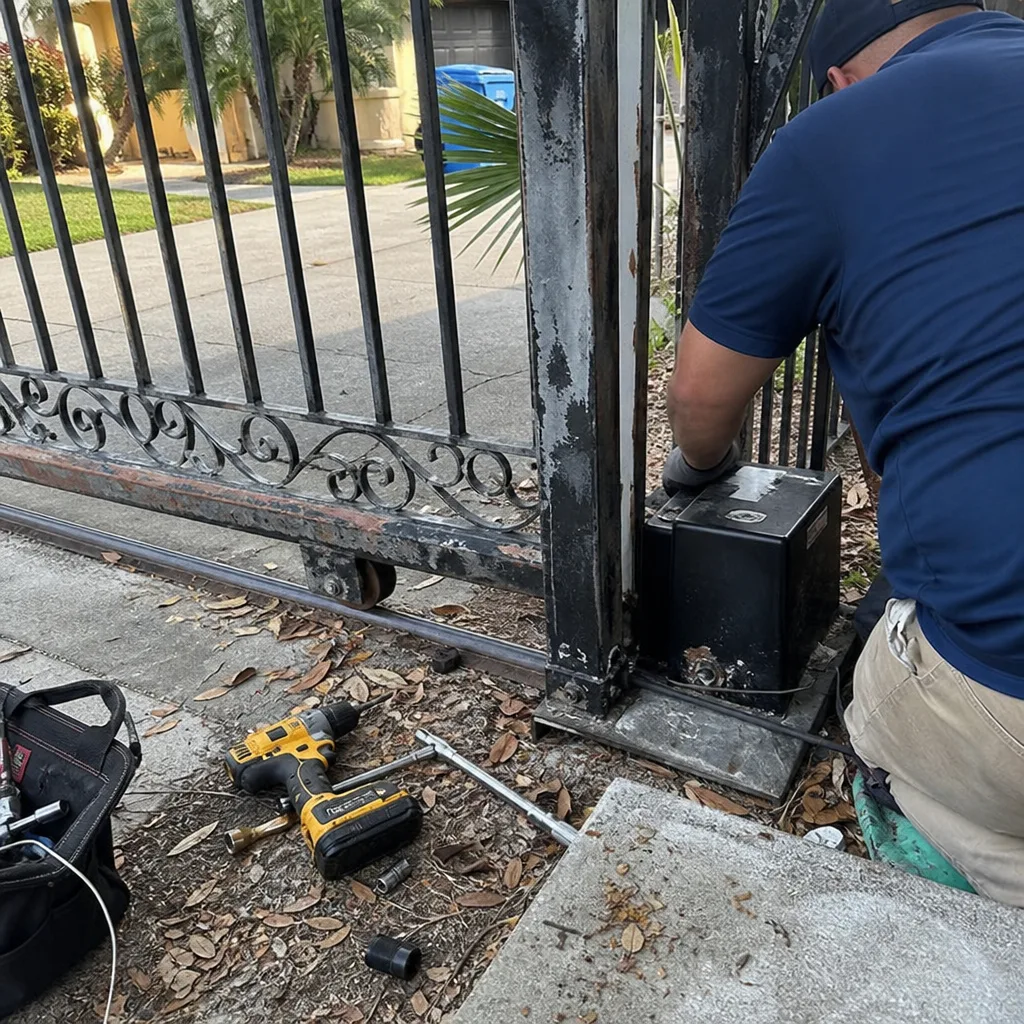 Before
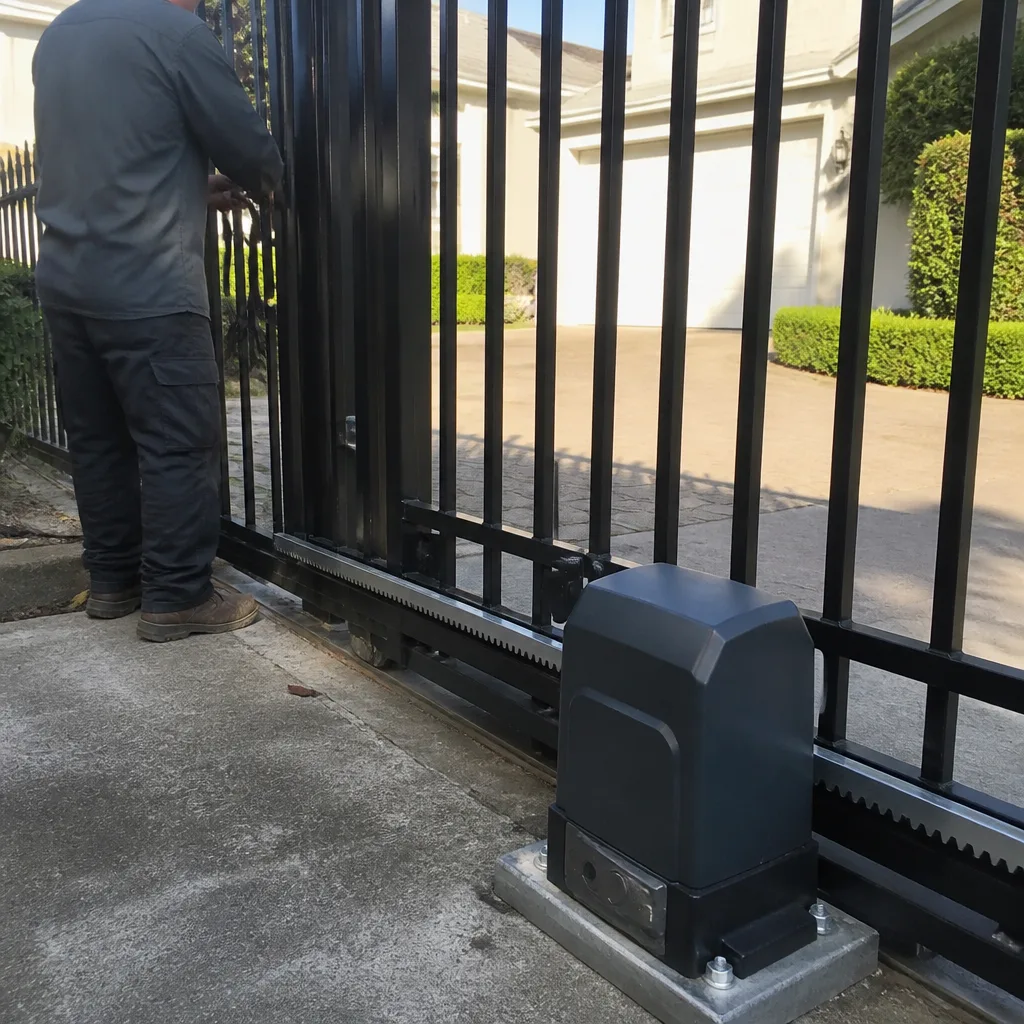 After
After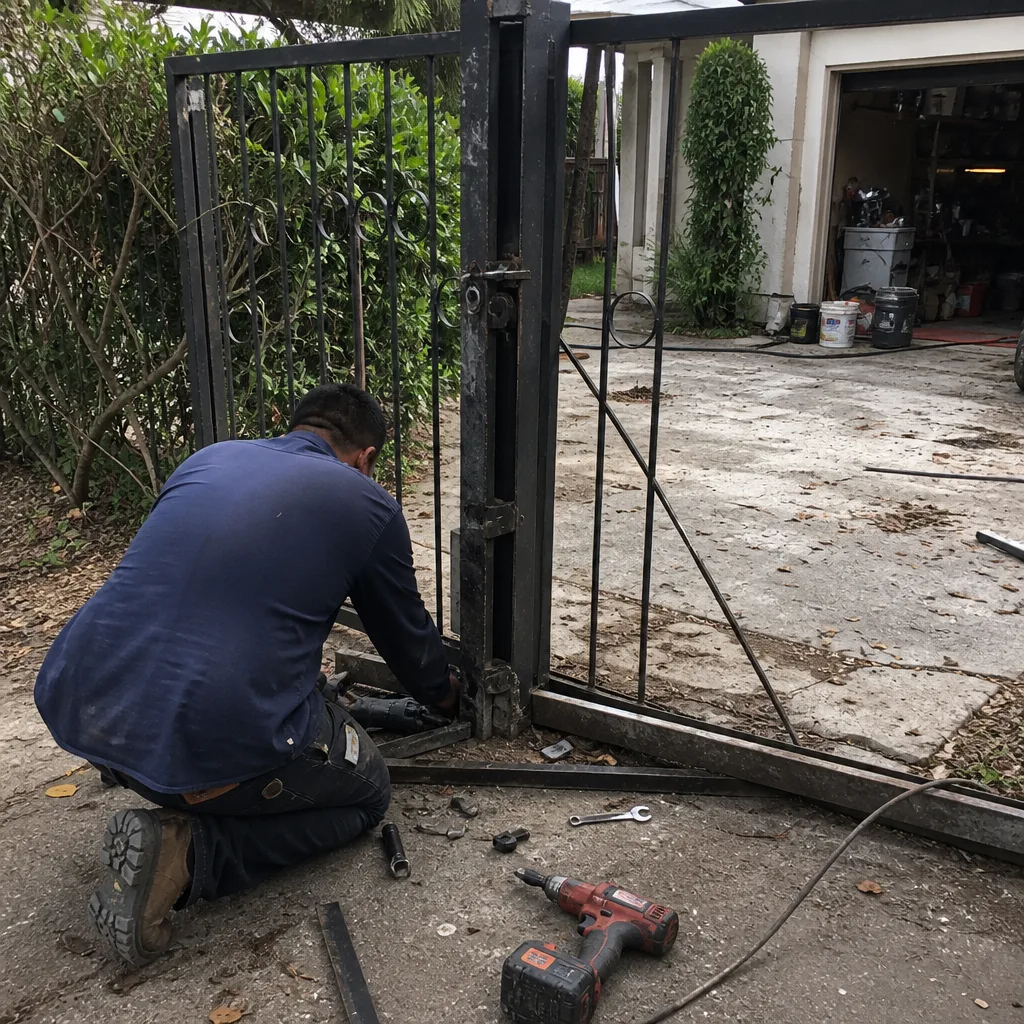 Before
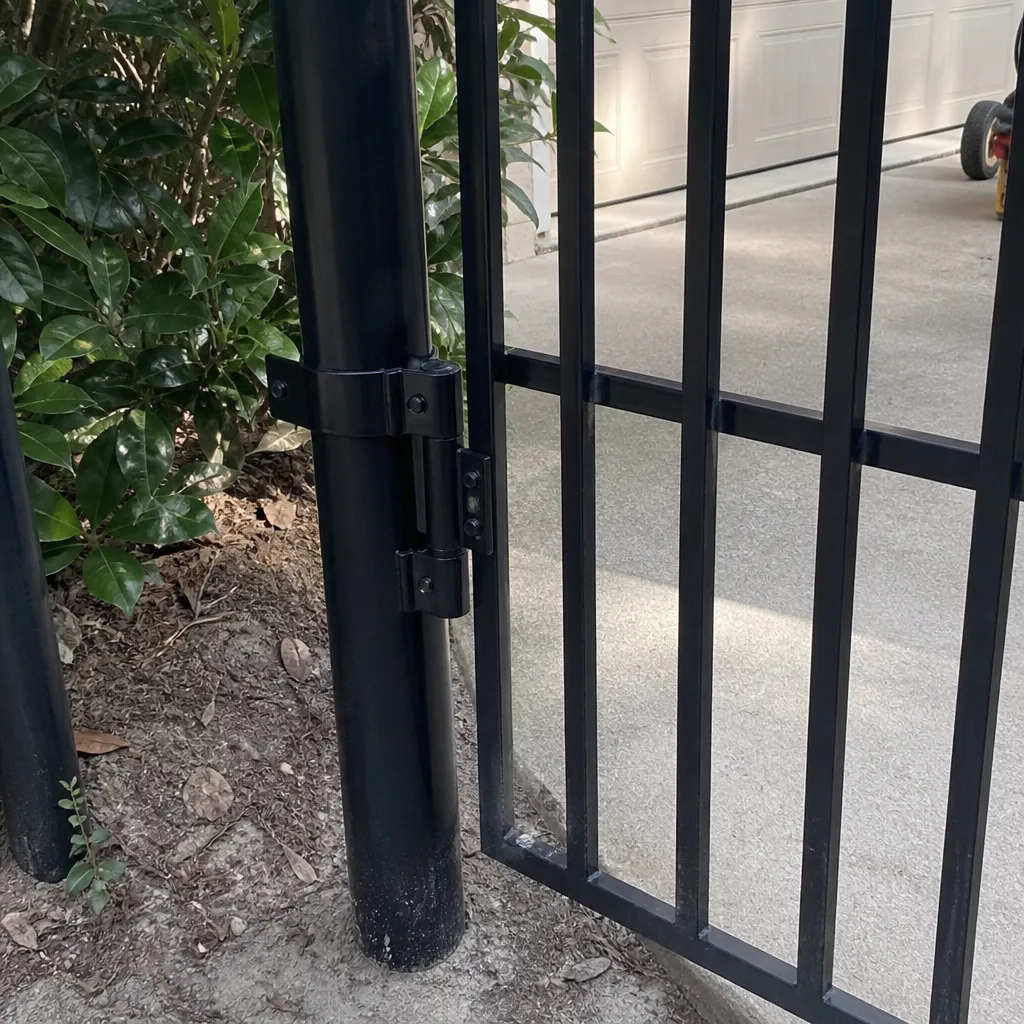 After
After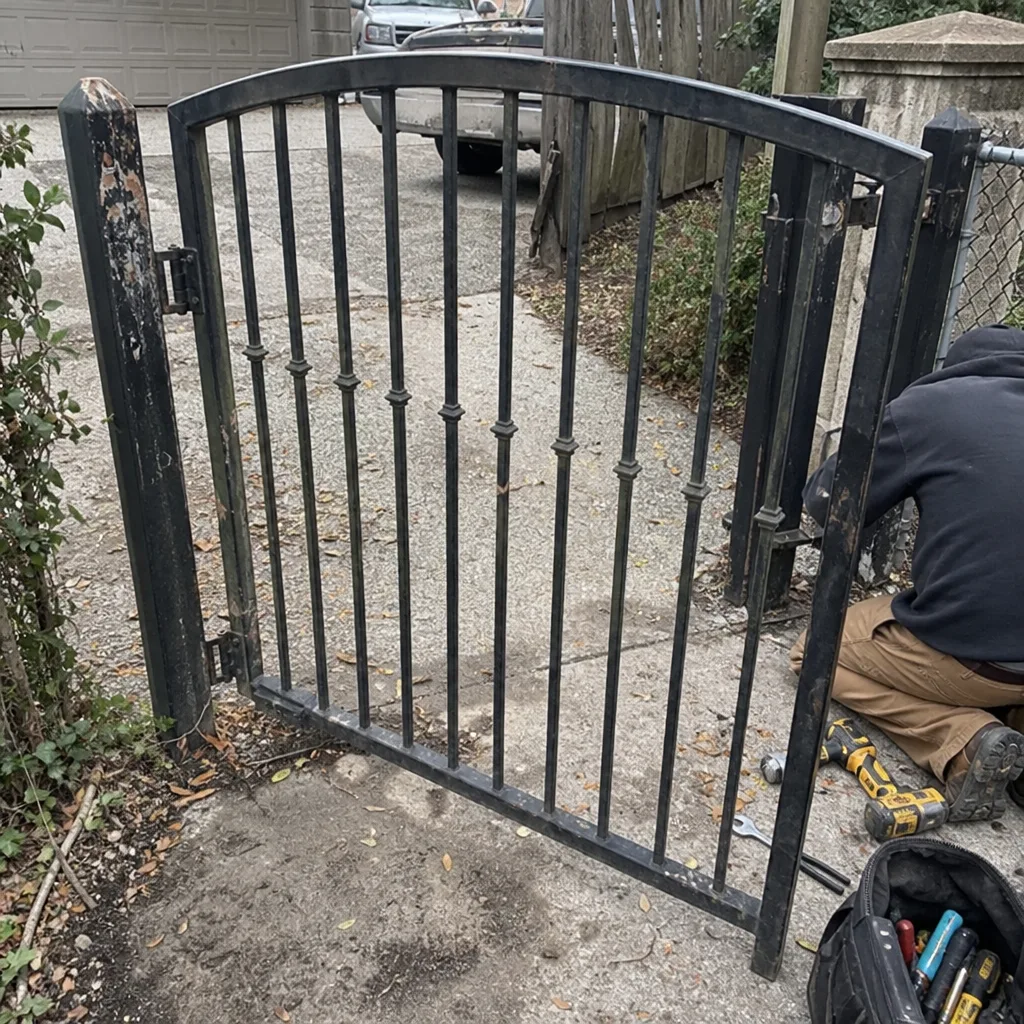 Before
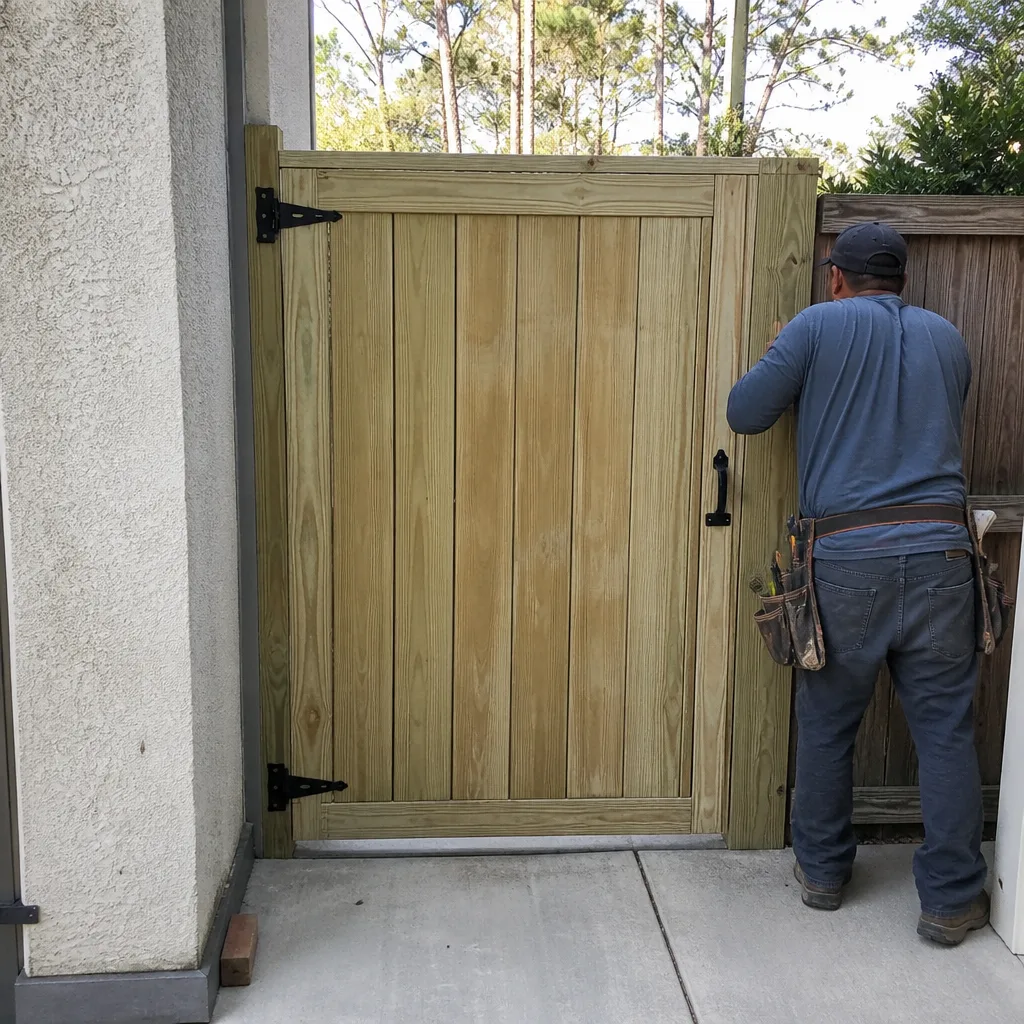 After
After